An old, cracked, or simply unused pool is more liability than amenity for a lot of homeowners. If you're considering removal, here's what the process actually involves, and the decisions you'll need to make along the way.
Why homeowners remove pools
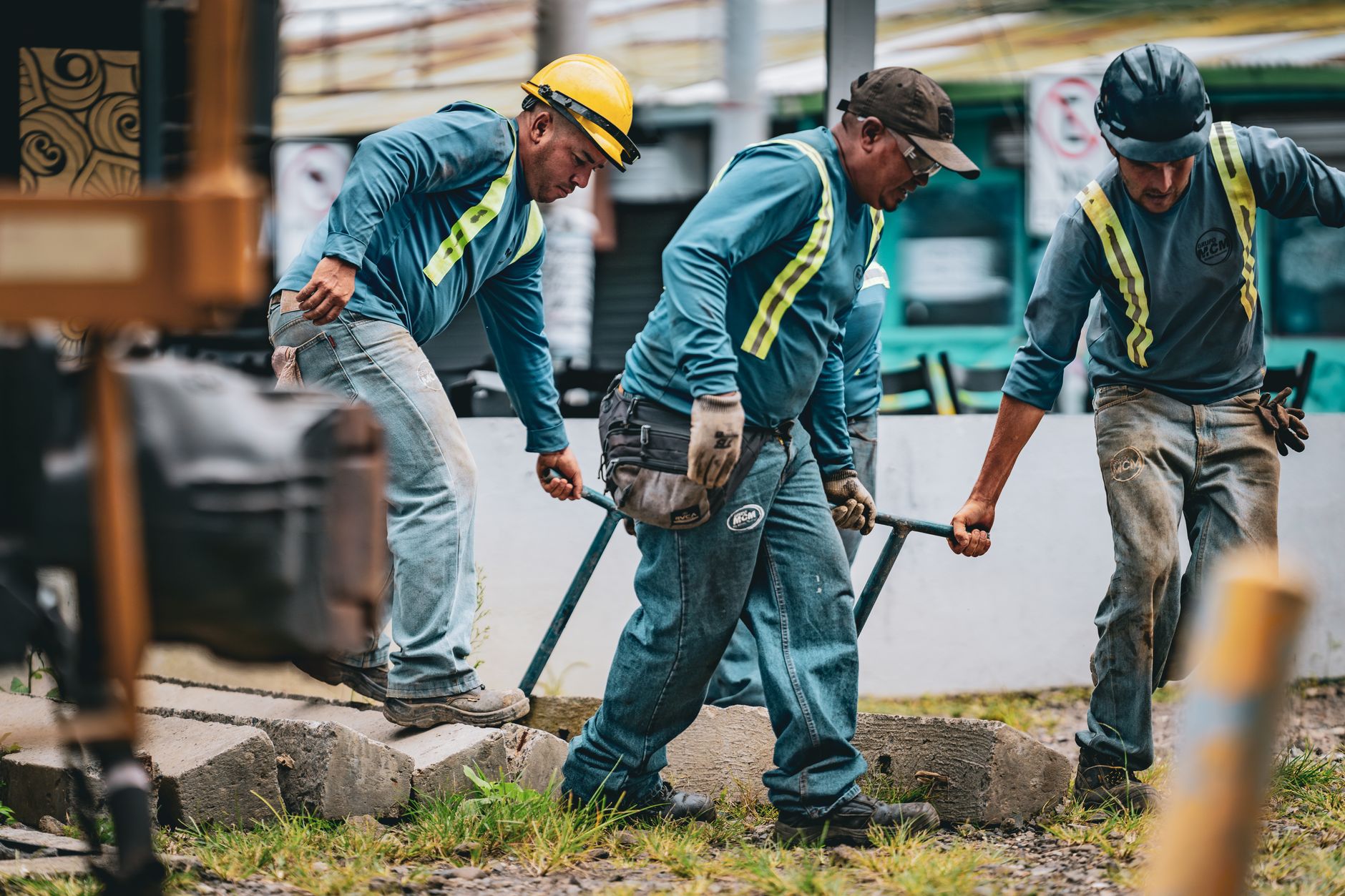
The reasons vary: a pool that's cracked and no longer holds water, rising maintenance and insurance costs, a family that's aged out of using it, or simply wanting the yard space back for something else. Whatever the reason, removal is a real, permitted project, not a weekend DIY job.
Most counties require permits for pool removal specifically because of the excavation, drainage, and backfill work involved, and inspections typically follow to confirm the fill was placed and compacted correctly.
Partial removal vs. full removal
There are two standard approaches to pool demolition, and the right one depends on your site, budget, and future plans:
- Partial removal: the pool shell is punctured for drainage, broken up substantially, and left partially in place before backfilling. It's typically faster and less expensive.
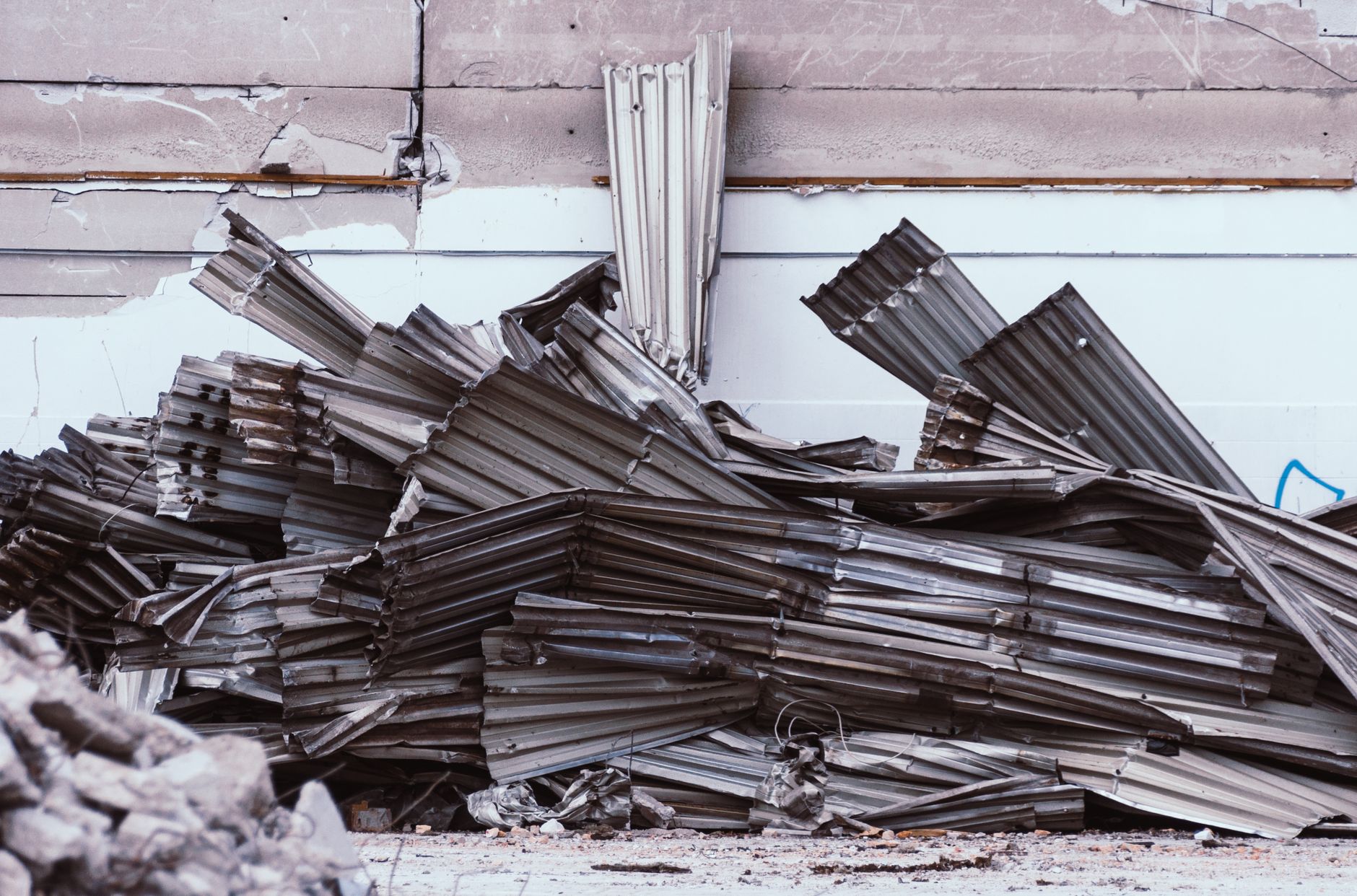
- Full removal: the entire shell, deck, and surrounding structure is demolished and hauled off site completely, leaving no remnants below grade.
If you're planning to build a structure over the former pool footprint, full removal is usually the safer, more defensible choice, since some jurisdictions restrict building over partially removed shells.

Backfilling and compaction
Once the shell is broken up and drained, the excavation gets backfilled with engineered fill material, not just whatever dirt happens to be nearby. That fill goes in and gets compacted in stages, or lifts, rather than all at once.
Skipping proper compaction is the single most common reason a filled-in pool site settles or sinks years later. Doing it in stages, with each layer compacted before the next goes in, is what prevents that.
What happens to the site afterward
Once backfilling and compaction are complete, the site gets graded to match the surrounding yard. From there, it's genuinely ready for landscaping, a patio, a shed, or whatever you're planning next, without the settling risk that comes from a rushed job.
Getting an accurate quote
Pool removal costs vary based on pool size, access for equipment, and whether you choose partial or full removal, so an accurate number really does require a site visit. Request a free, itemized quote and we'll walk the site with you and lay out both options clearly.