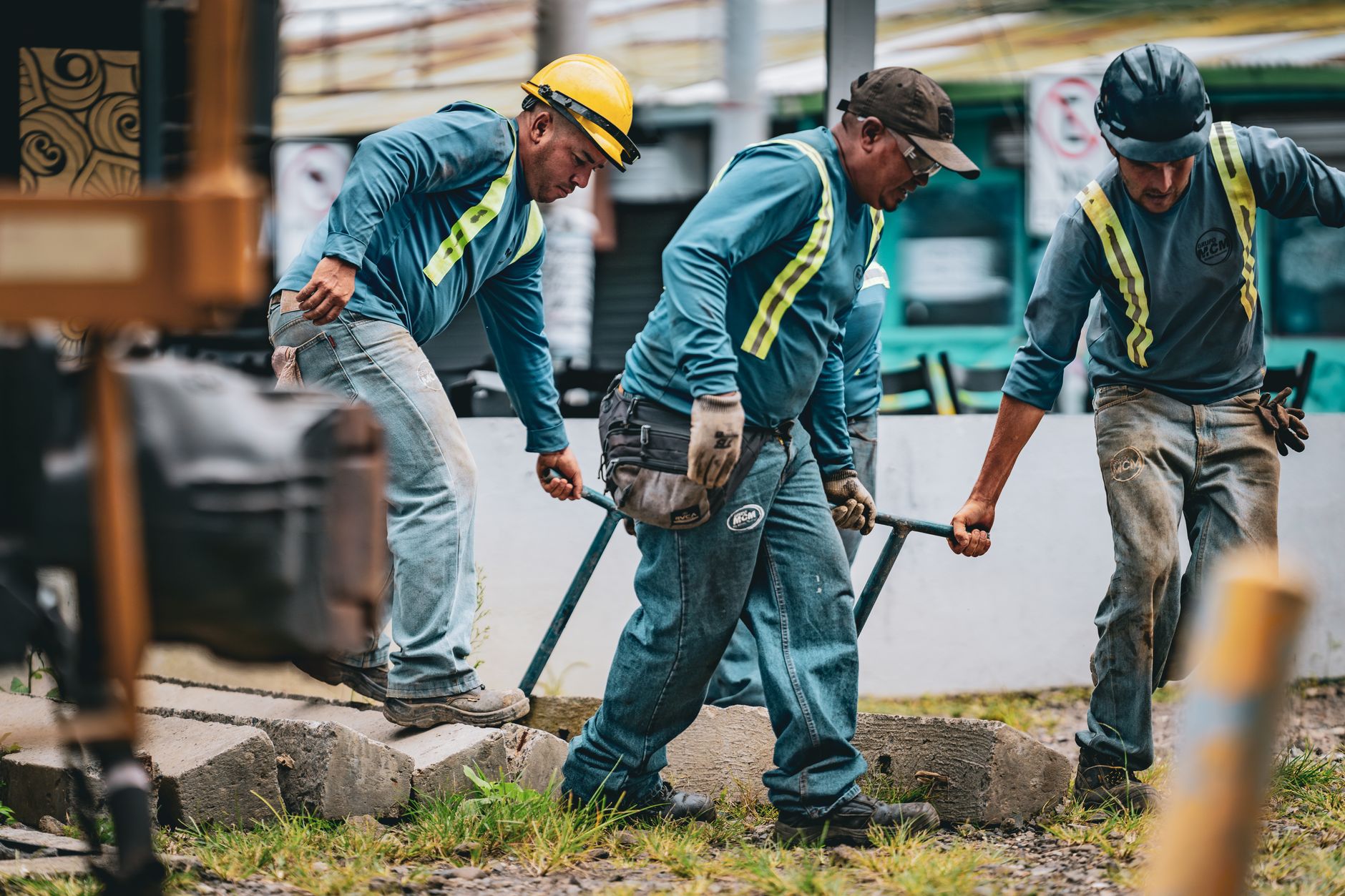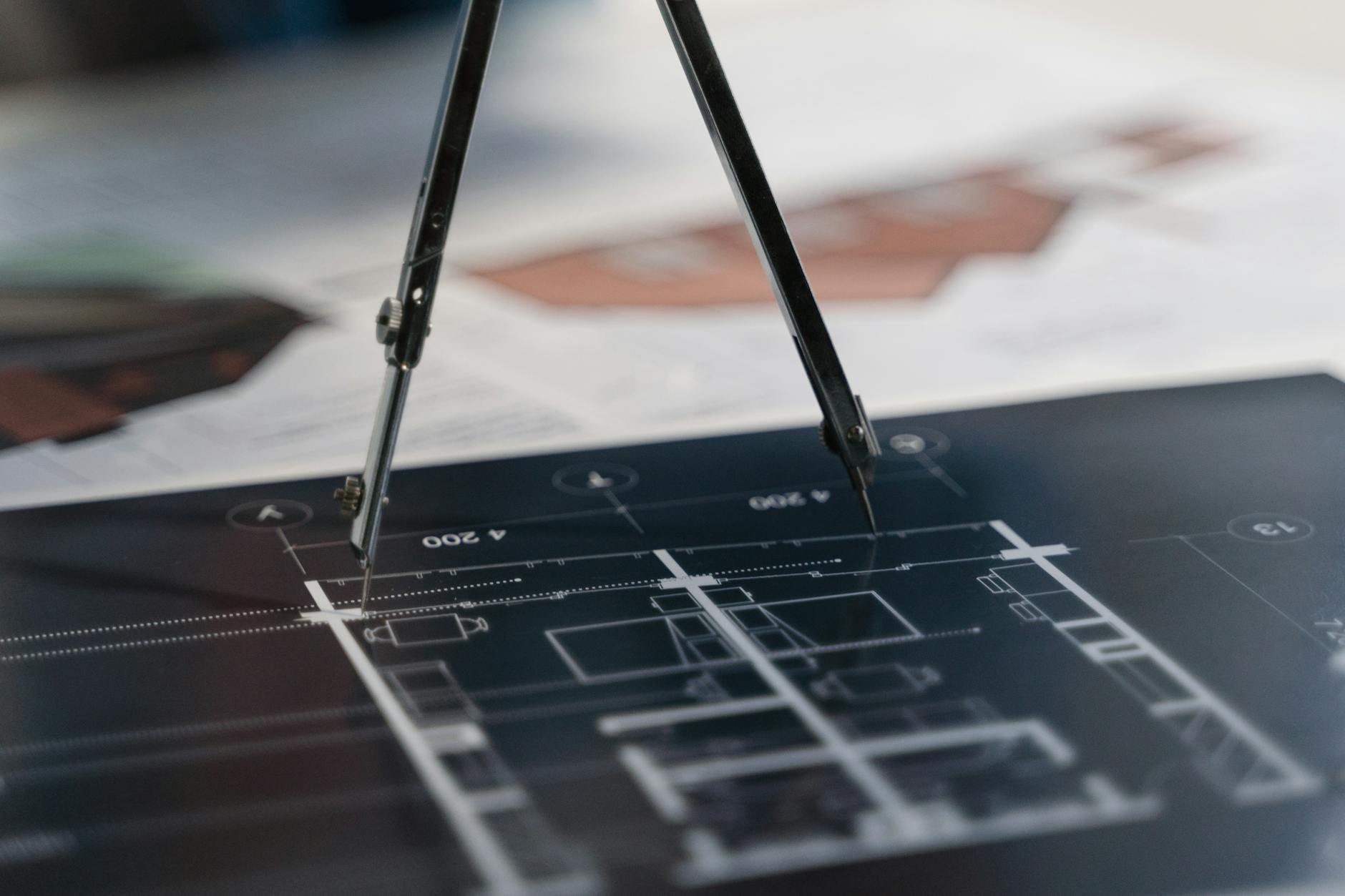
Not every project needs to send everything straight to the landfill. Deconstruction, carefully taking a structure apart to separate and recover material, offers real environmental and cost advantages over standard demolition. Here's how the two compare.
What deconstruction actually means
Standard demolition is fast: knock it down, load it out. Deconstruction takes more time up front, methodically removing fixtures, lumber, and other materials so they can be separated by type instead of crushed together as mixed debris.
It's not an all-or-nothing choice either. Many of our projects use a hybrid approach: deconstructing the parts of a structure with genuinely reusable material, then demolishing the rest conventionally once it's been cleared.
Environmental impact
Sustainable practices help minimize waste and promote material recovery during demolition. When material is separated instead of sent to landfill as mixed debris, less of it ends up buried, and the overall carbon footprint of the project drops accordingly.
This matters most on larger projects, full home demolitions and commercial retrofits especially, where the volume of material involved makes the difference between deconstruction and demolition meaningful rather than marginal.
Cost savings
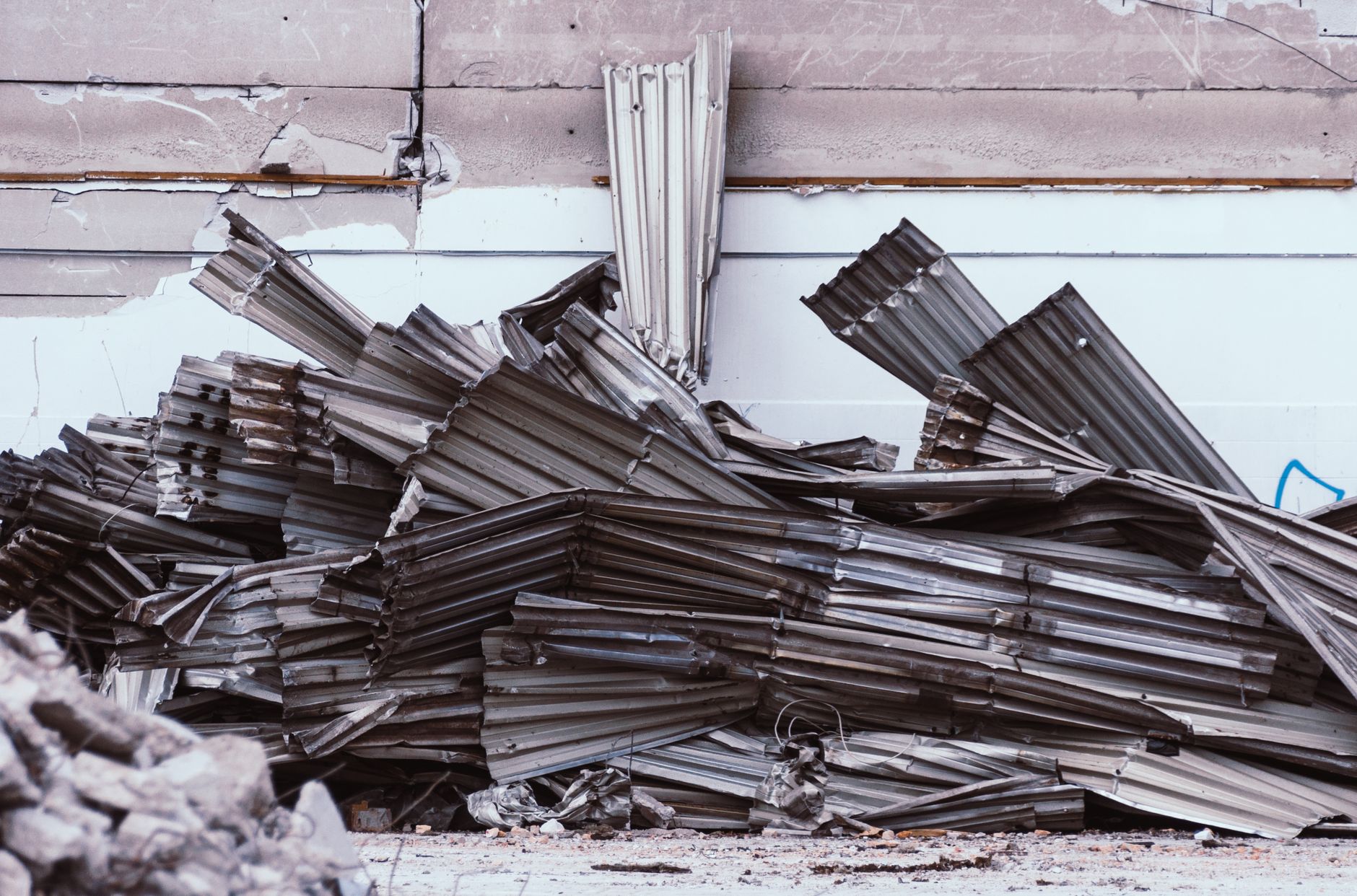
Landfill disposal isn't free, and fees are tied directly to volume and weight. Diverting material away from the landfill through deconstruction and recycling reduces what you're paying in disposal fees, savings that show up directly in your itemized quote.
It's also worth noting for redevelopment projects: asphalt removal and parking lot removal projects in particular often route removed material to recycling facilities rather than landfill, which can meaningfully change the disposal line on a large-scale project.
Material recovery
Lumber, fixtures, doors, cabinetry, and other salvageable material can be recovered during deconstruction instead of hauled away as waste. That means reusable resources stay in circulation, whether that's through donation, resale, or reuse on a future project.
It's a genuinely different mindset from standard demolition: instead of asking only "how do we get this structure down," we're also asking "what here is worth keeping."
Is deconstruction right for your project?
Deconstruction makes the most sense on structures with real salvage value, older growth lumber, quality fixtures, reusable cabinetry, and less sense on projects where the material genuinely has no second life. Part of every site assessment is figuring out which situation you're in.
If you're weighing the two approaches for an upcoming project, get in touch and we'll give you an honest read on whether deconstruction makes sense for your site, and what it would save.