Demolition carries real risk: structural collapse, hidden utilities, airborne dust, heavy equipment in tight spaces. Safety isn't a line item on our proposals, it's the framework everything else gets built around. Here's what that actually looks like on site.
Why safety has to come first
Every demolition project starts with the same question: what could go wrong here, and how do we prevent it? That question shapes the site assessment, the equipment we bring, and the sequence we follow, before a single wall comes down.
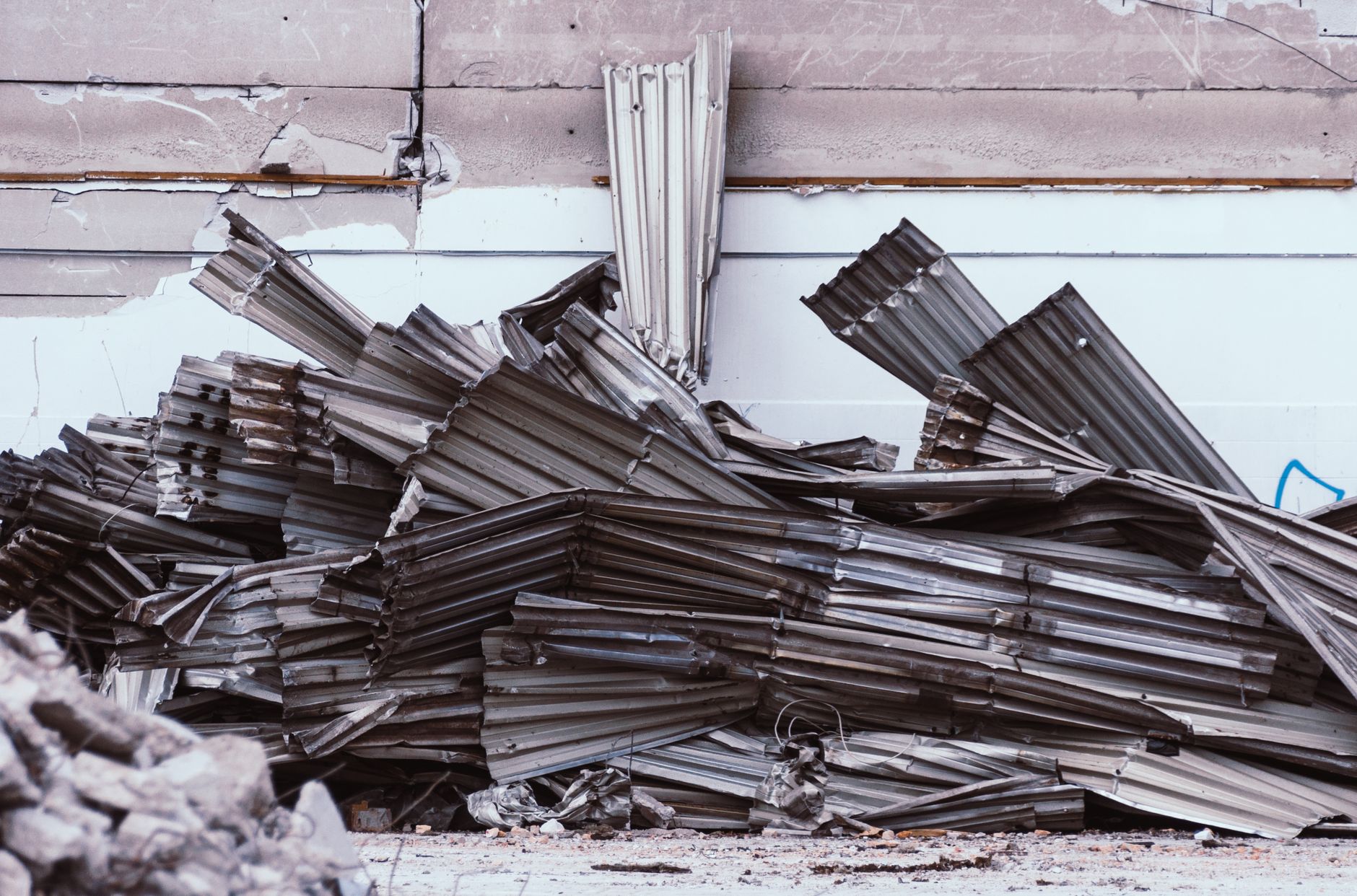
It's not an abstraction. A demolition site has structural loads that shift as material is removed, utilities that may or may not be properly disconnected, and debris that becomes dangerous the moment it's disturbed. Treating safety as the starting point, not an afterthought, is what separates a clean project from a dangerous one.
Comprehensive training for every employee
Every person on a demolition crew, not just supervisors, goes through comprehensive safety training before they're on site. That covers equipment operation, hazard recognition, PPE use, and the specific procedures for whatever type of structure is coming down.
Training isn't a one-time box to check either. As equipment, regulations, and best practices evolve, so does what our crews are trained on. A crew that trained five years ago and never revisited it is a crew working from outdated information.
Regular safety audits and assessments
Ongoing audits are what keep training from becoming theoretical. That means:
- Site-specific hazard assessments before work begins on every project.
- Regular equipment inspections, not just when something looks wrong.
- Site audits during active demolition, checking that containment, PPE, and procedures are actually being followed.
- Post-project reviews that feed lessons back into how future sites get planned.
Equipment maintenance and real PPE
Heavy equipment that isn't properly maintained is one of the fastest ways a job site becomes dangerous. High-quality equipment maintenance standards mean machinery gets inspected and serviced on a schedule, not just when it breaks down.
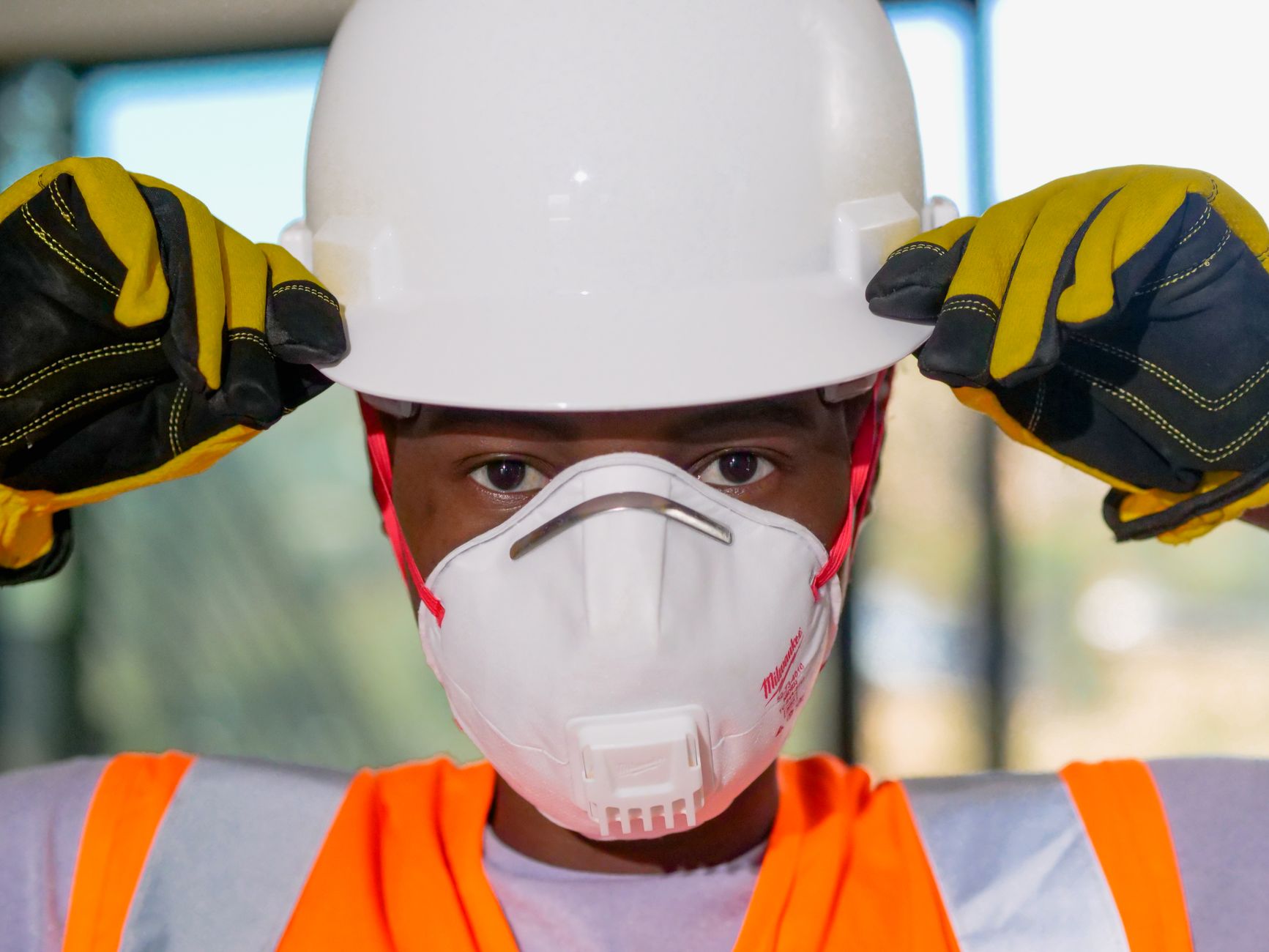
The same logic applies to personal protective equipment. Hard hats, respirators, eye and hearing protection, and high-visibility gear are provided and required, not optional extras. On a project like pool demolition or asphalt removal, where dust, noise, and heavy machinery are constant, that gear isn't negotiable.
What this means for your project
For homeowners and property managers, this all translates into something simple: fewer surprises, fewer delays, and a project that gets done without incident. A safety-first crew also tends to be a more careful, more communicative one, since the same discipline that prevents accidents also prevents damage to the parts of your property that are staying.
If you're planning a project and want to understand how our safety process applies to your specific site, reach out for a consultation. We'll walk the site with you and explain exactly what the plan looks like.