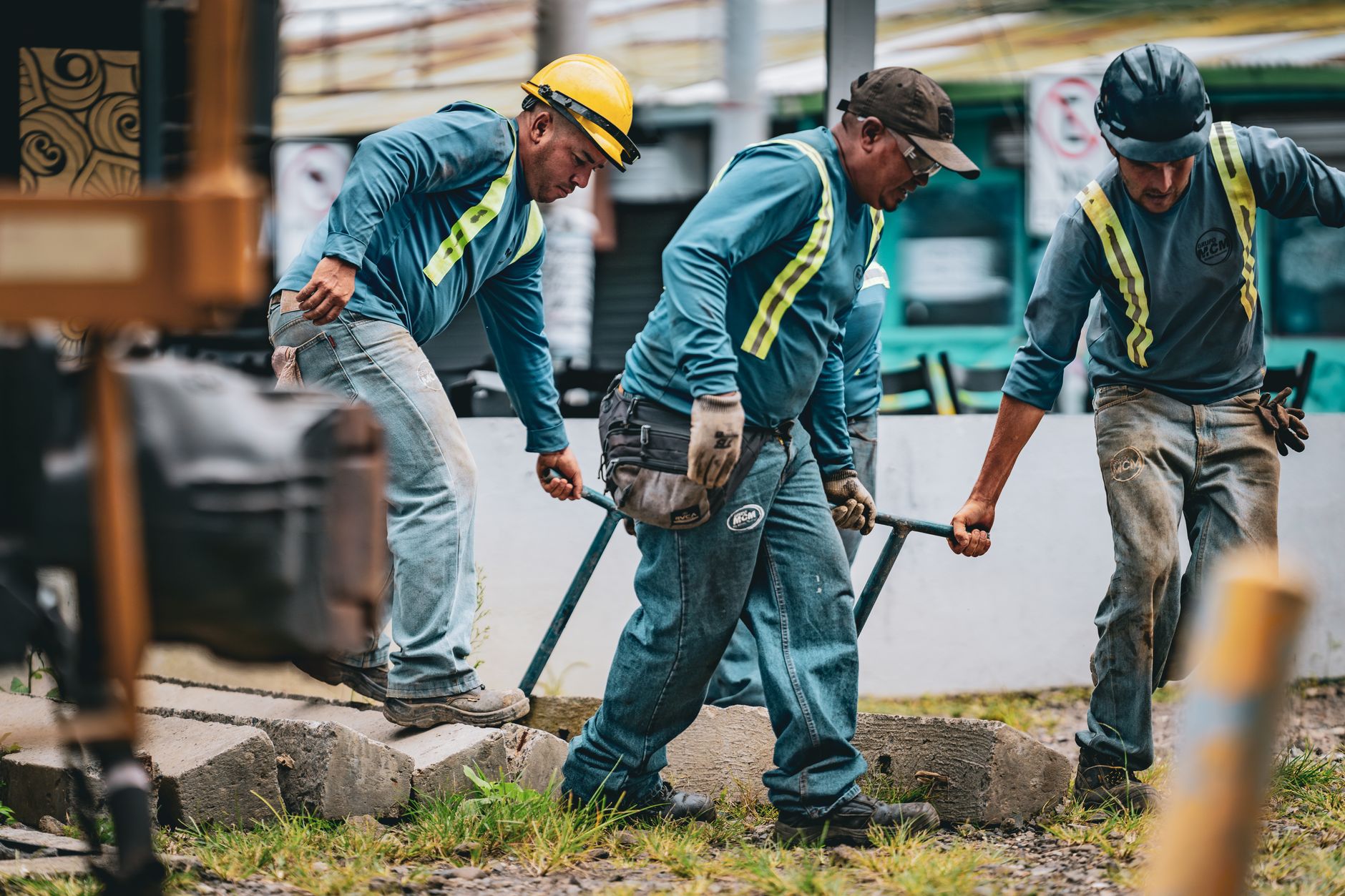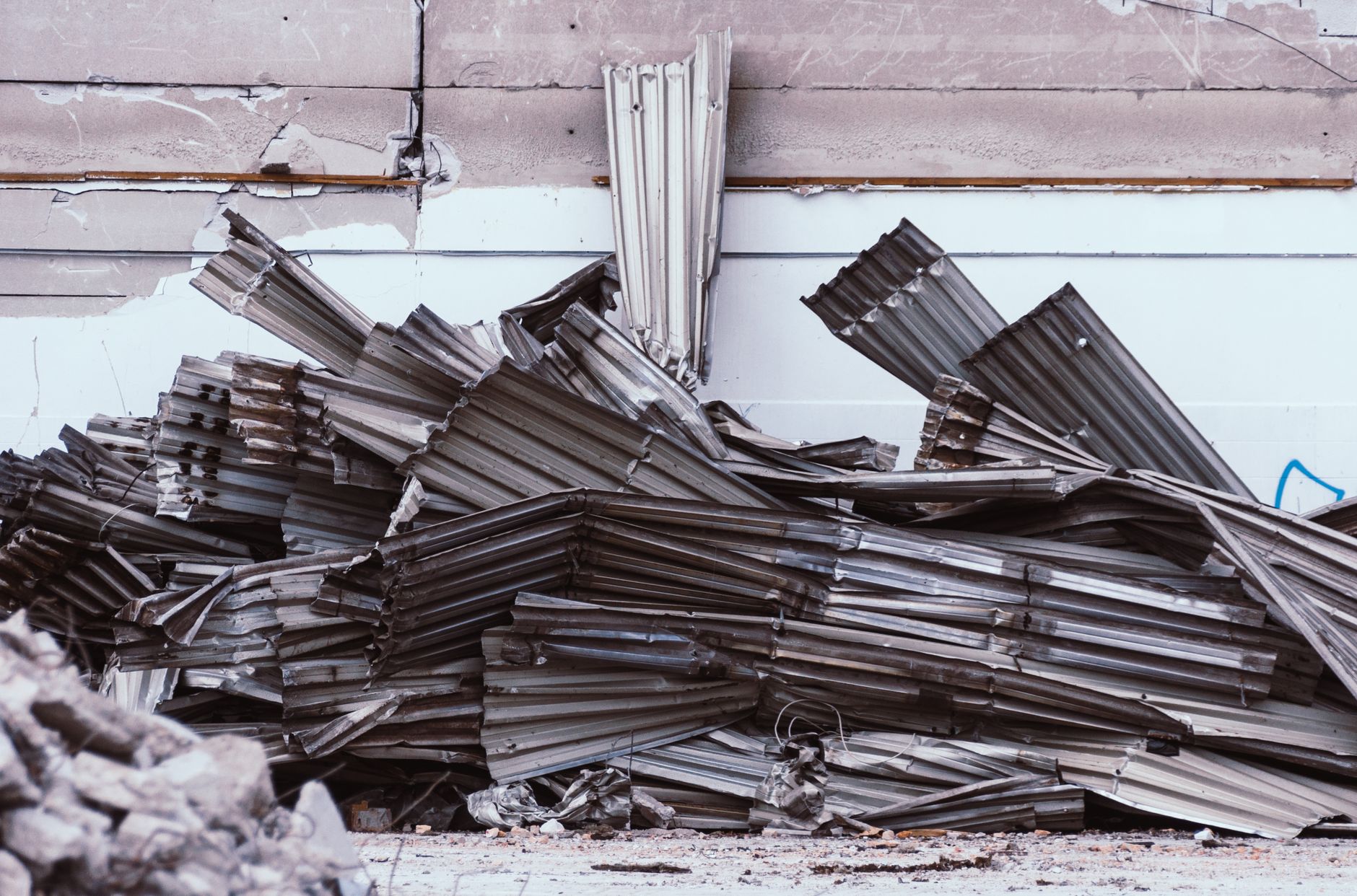
Demolition looks like the fast, dramatic part of a construction project, but the work that actually determines how smoothly it goes happens before any equipment shows up. Careful planning ensures an efficient and effective process tailored to each site. Here's the timeline behind it.
Assessment: understanding the site
Every project starts with an initial site evaluation. We look at the structure itself, its age and construction type, what's around it, and any special conditions, slope, access, neighboring properties, that will shape how the work gets done.
This is also where we flag anything that needs outside coordination: utility companies, permitting offices, or, for older buildings, hazardous material testing before any demolition can start.
Planning: building the strategy
With the assessment done, we move into strategy development. This is where sequencing gets decided: what comes down first, what equipment is needed, how debris will move off site, and how long each phase should take.
Good planning here prevents the two most common demolition headaches: work stopping mid-project because something wasn't accounted for, and costs creeping up because the original scope didn't match reality. A clear plan keeps both in check.
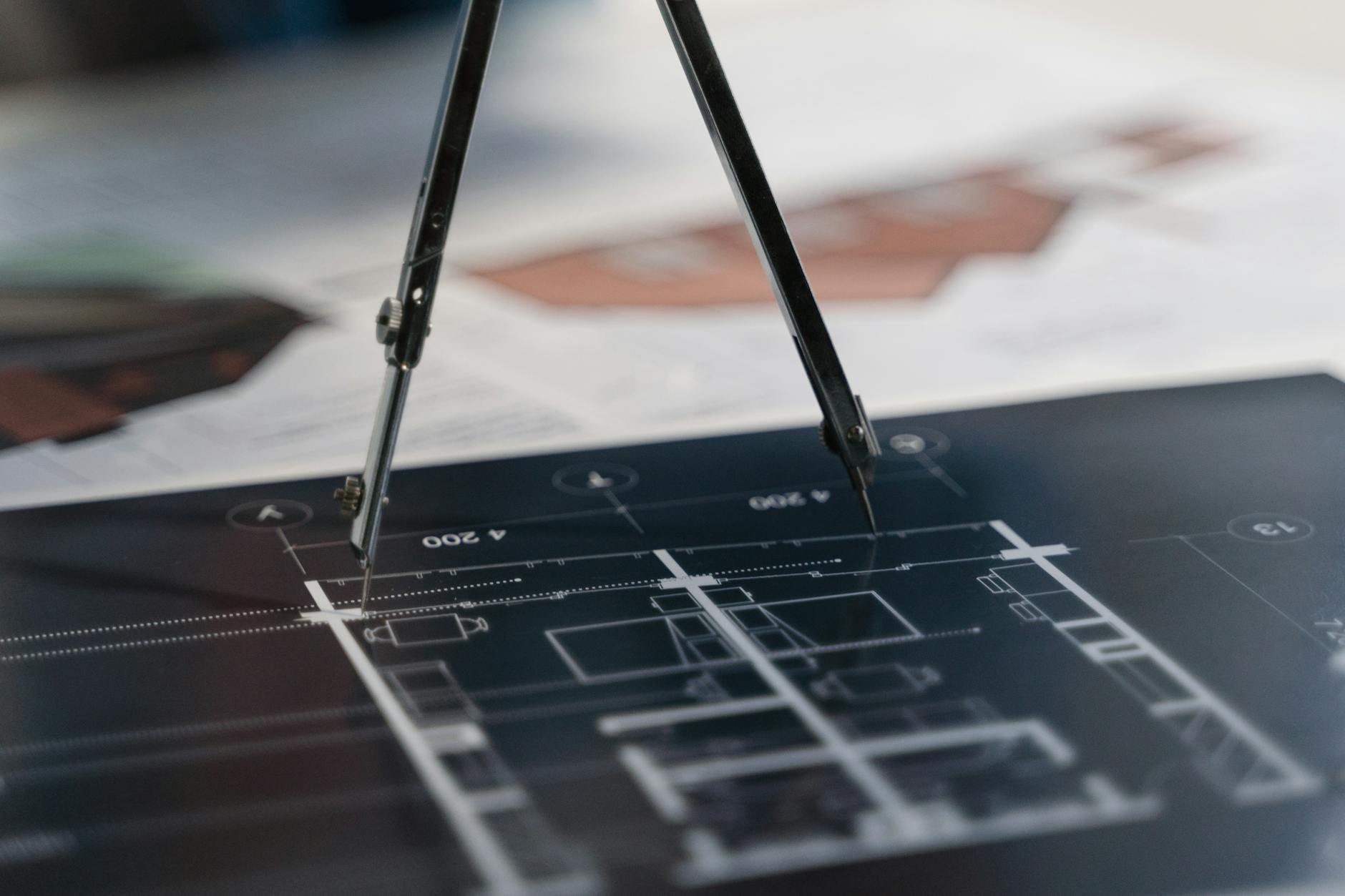
Preparation: getting the site ready
Site readiness tasks come next: permits finalized, utilities disconnected, containment and safety measures set up, and equipment and crew staged and ready. This stage is unglamorous, but skipping or rushing it is where projects go sideways.
For projects like interior demolition in occupied commercial buildings, preparation also includes protecting the systems and areas that are staying operational throughout the work.
Execution and cleanup
Execution is the demolition process itself, carried out according to the plan built in the earlier stages. Because the sequencing and logistics were worked out ahead of time, this phase tends to move efficiently rather than chaotically.
Final site restoration closes out the project: debris hauled and disposed of, the site graded, and the property genuinely ready for its next phase, whether that's new construction, landscaping, or simply a clean, cleared lot.
Why this matters for your timeline
A demolition project that skips straight to execution without real planning tends to run long and cost more. Ours doesn't. If you want to see how this timeline applies to your specific project, from a full home demolition to a commercial retrofit, request a free quote and we'll walk you through it stage by stage.